The Hidden Cost of Labor Planning Chaos in Construction



From daily frustrations to lost profits: The hidden cost of labor planning chaos
Every day, MEP contractors face operational challenges that seem like isolated frustrations, such as lost text messages, outdated spreadsheets, and reactive scheduling. What many don’t realize is that these daily pain points are the root causes of major productivity killers. Research shows they can cost millions in lost efficiency
Workforce chaos from poor planning
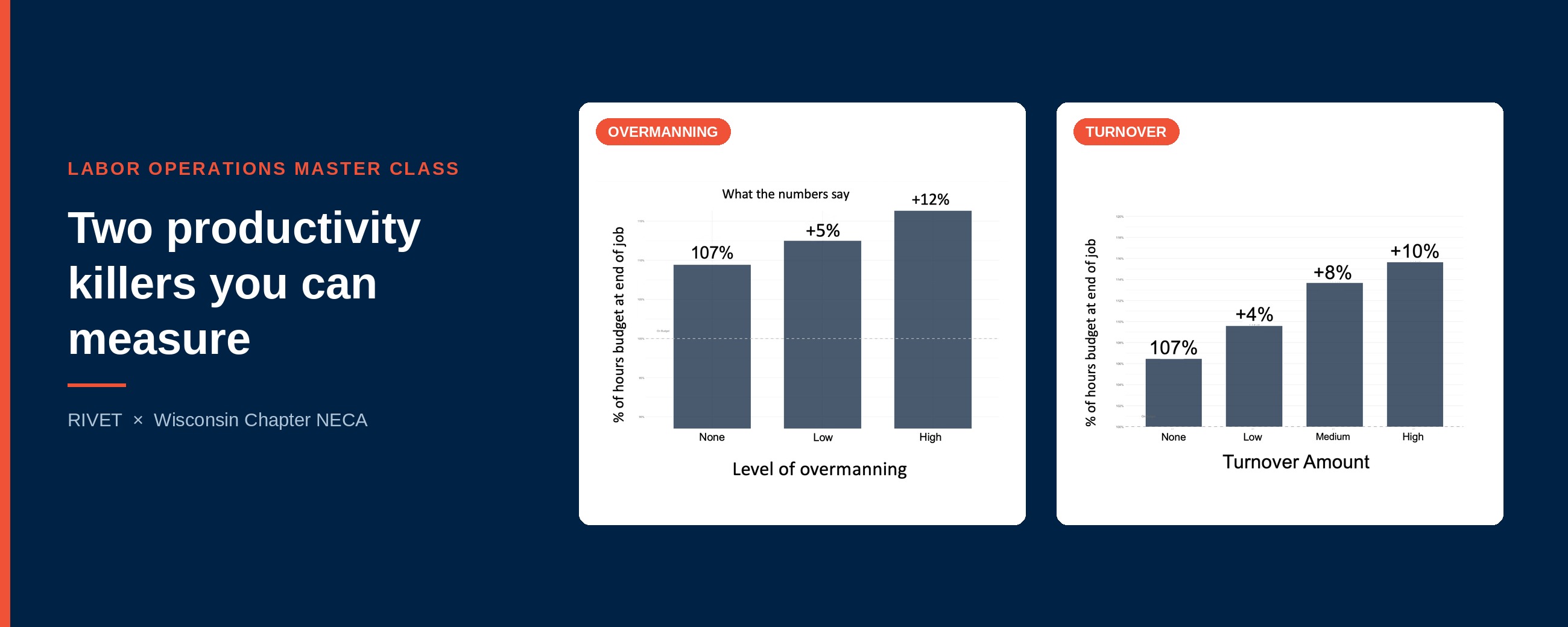
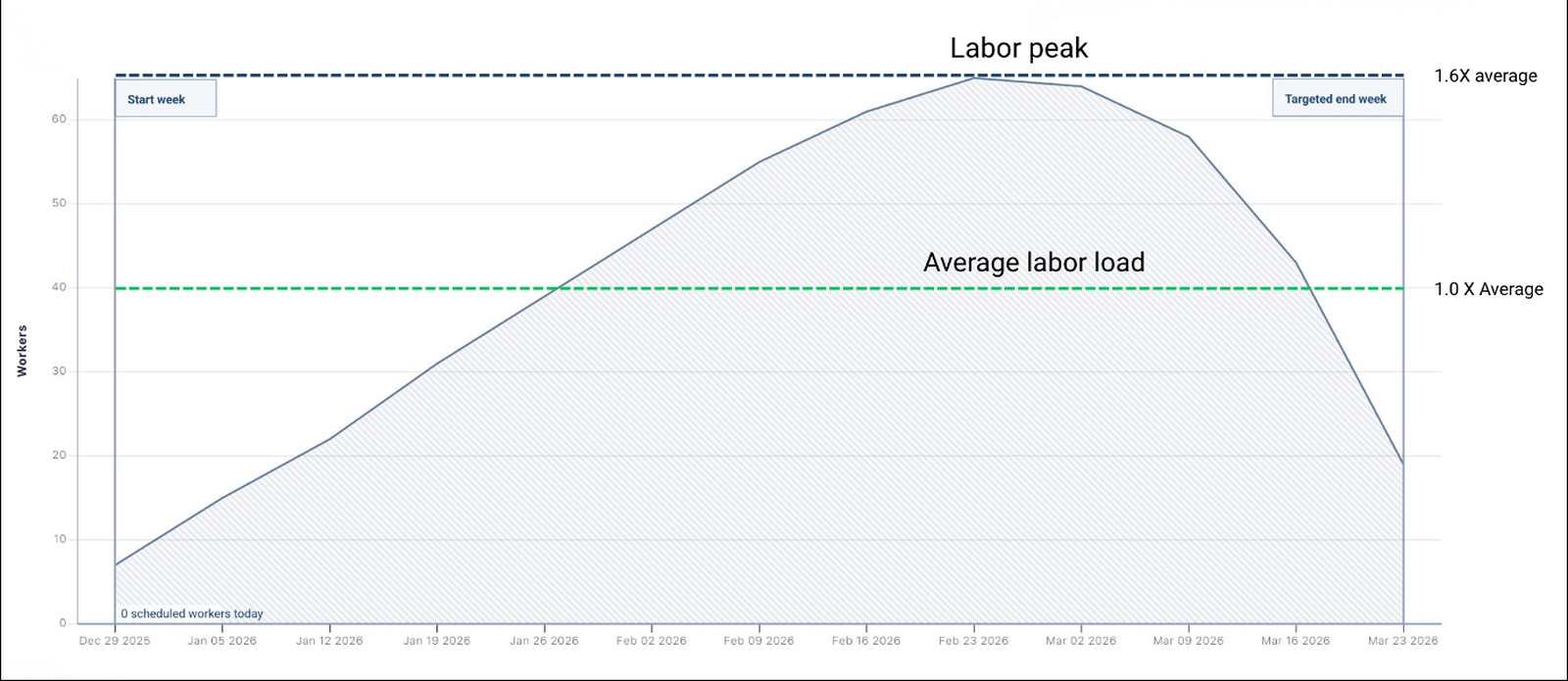
The inability to see when workers from other projects will become available leads directly to overmanning. With no systematic way to prioritize competing labor needs and difficulty tracking resources across multiple projects, contractors often stack too many workers trying to catch up. When that peak-to-average worker ratio exceeds 1.6, productivity plummets, especially when combined with untracked change orders.
Manual tracking systems and flat labor planning averages create another problem: excessive overtime. Without visibility into upcoming labor needs or realistic labor curves, contractors resort to overtime and reactive labor requests as their primary schedule recovery tool. This can create a self-induced labor shortage cascading from one job into the next and snowball into labor productivity losses from a cycle of repeated schedule compression.
Putting out fires while spread too thin
Operating in reactive mode, constantly “putting out fires” and chasing schedules creates the perfect conditions for dilution of supervision. Change orders pile up, labor requests are lost in text messages, and no central visibility for project managers and superintendents spreads leadership too thin. When PMs get blindsided by unexpected labor changes, supervisors must juggle both planned and unplanned work. They become decision-making bottlenecks, spending time studying changes and communicating with confused crews instead of maintaining productive oversight. The result? Median productivity losses of as much as 25% for the impacted tasks.
The compounding effect of broken systems
One of the biggest problems with disconnected systems is the loss of learning on the job. If contractors can’t easily see which workers have certain skills or check their certifications, they end up moving people around too often. When poor communication causes crew changes or materials show up without enough workers to handle them, any efficiency from doing the same tasks over and over disappears. Teams have to relearn the work, and this can cut productivity by more than 20% for those workers as they ramp.
The true cost becomes clear when these factors compound. A contractor dealing with poor visibility and reactive management might experience 60% change orders. Add in the resulting overmanning and extended overtime, and productivity losses can compound, transforming profitable projects into financial disasters.
Breaking the cycle
The research is clear: these productivity losses are measurable, predictable, and preventable. But prevention requires addressing the root operational challenges. Contractors need processes and systems that provide real-time visibility, centralize communication, enable proactive planning, and track resources effectively. Only by solving these fundamental pain points can contractors break free from the reactive cycle that feeds these profit-destroying productivity killers.
The choice is obvious: continue fighting daily fires while productivity burns, or implement business systems that prevent the fires from starting in the first place. The contractors who recognize these connections — and make strategic investments to prevent them will gain a competitive edge in an increasingly challenging market.
Ready to ditch the chaos?
Join specialty contractors just like you who stopped accepting "that's just construction" as an excuse for losing money.